


Internet of Things (loT) and Energy Intelligence
About the Internet of Things and Energy Intelligence
Introduction to IoT Devices and Its Applications
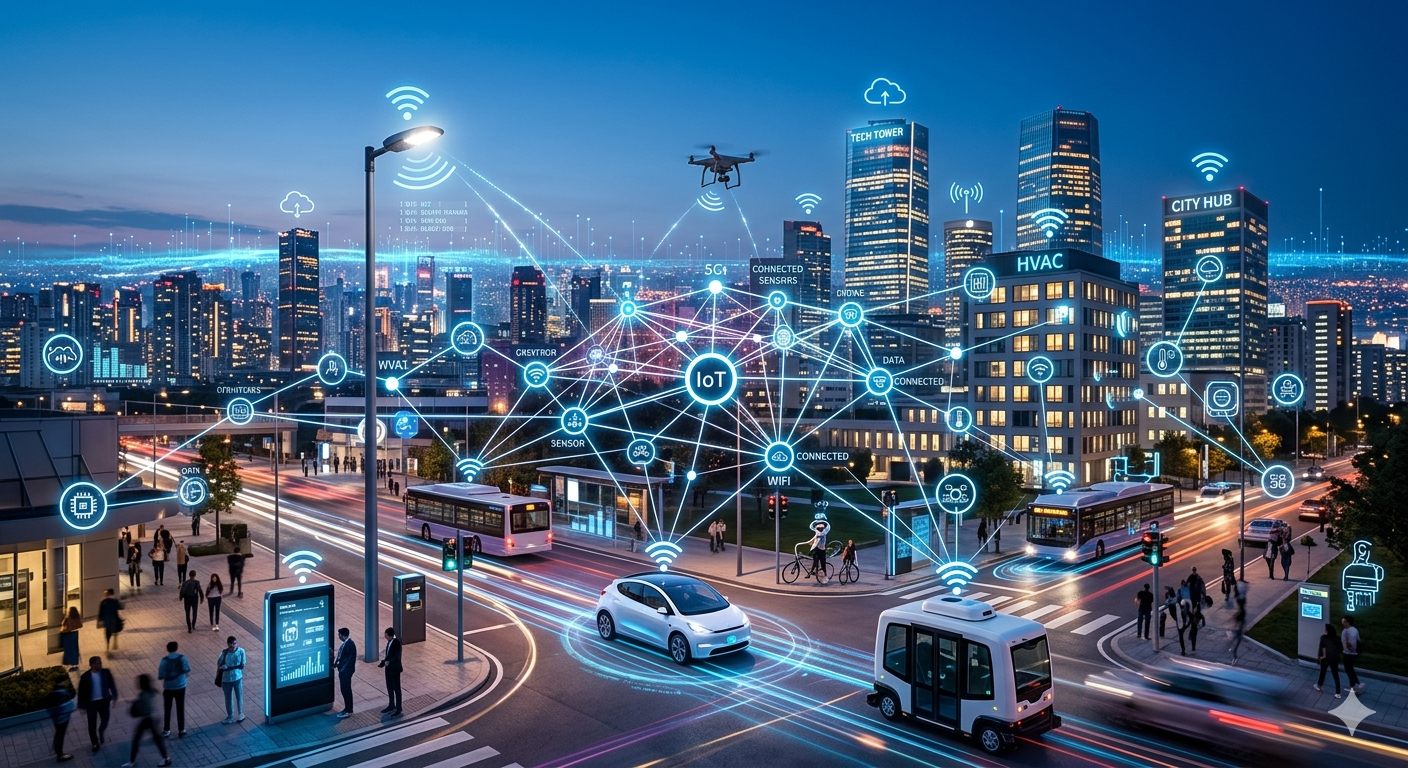
In today’s world where our need for technology is increasing every passing day, the number of devices connecting to the internet (loT) which is 30 billion, is expected to reach over 75 billion by 2025 (Statista, 2018). With this increase, the exponential growth of the data received will enable artificial intelligence and machine learning-based algorithms and applications to become much more common in energy intelligence.
The situation of becoming more usability of artificial intelligence depends on the systems being more traceable with loT devices. Especially complex systems make more gains with loT integration (IRENA, 2019). For example, analyzing the production and consumption balance of the electrical energy we need at every moment of our lives, reducing costs by using electrical energy efficiently and increasing efficiency is also a successful application of loT integration. In these applications, artificial intelligence is positioned as “Energy Intelligence” which is a set of solutions that provide information to the user on cost, device efficiency and device usage recommendations after monitoring energy, calculating consumption and cost values, and guiding the use of energy in a better way. While creating these solutions, at first users’ main problems in energy consumption should be analyzed and solutions should be developed for these problems according to that.
Arguments on Energy Consumption and IoT Based Energy Intelligence Solution
Basic Problems of Users in Energy Consumption
In today’s world that is surrounded by electronic devices, electricity consumption has an important role both in our individual use and in the use of businesses. Many electrical appliances such as heating/cooling systems, industrial equipment etc. Are being used in homes and businesses and systems – especially these devices- which increase energy consumption and cause large costs reveals some problems along with the incomprehensibility of tariffs and invoices for the end users, such as not knowing which devices are caused to consumption, not detecting equipment failures and unnecessary usage of equipment or reactive power and demand.
Considering these reasons, both unnecessary energy consumption is realized and greenhouse gas emission, air pollution and global warming are caused by the consumption of fossil fuels used for energy needs. The elimination of penalties arising from reactive power and power quality and reducing energy consumption costs will be within the targets of energy intelligence, especially for industrial organizations. In addition to the Green Deal that we have included as the Republic of Turkey (A new growth strategy including basic goals of the elimination the EU’s 2050 net greenhouse gas emissions, the end of the commitment to the use of resources for economic growth and leaving nobody and nothing behind) will also provide added values.
loT Based Energy Intelligence Solution
The loT concept, on the other hand, is a structure developed to provide solutions to these problems and allows remote monitoring and management of devices connected to the network. In the light of the above-mentioned problems, energy consumption data, fault information and device status information can be monitored instantly from a single center and the devices can be switched on and off, the field teams can be directed to maintain the device in case of any malfunction/repair processes thanks to the equipment developed for the purpose of performing the energy analysis and remote management of the devices.
Web-based platforms have been developed where data provided by loT devices can be monitored and managed by only authorized people. Thanks to cloud technology, data can be collected instantly in a single center.
Necessary improvements can be achieved in energy consumption by analyzing the collected data with algorithms called “Energy Intelligence”. For example, energy intelligence is of great importance in detecting situations such as keeping the devices turned on when they do not need to be operated and turning off the devices, which is one of the problems mentioned above.
References
- Statista (2018), “Internet of Things (loT) connected devices installed base worldwide from 2015 to 2025 (in billions)”, https://www.statista.com/statistics/471264/iot-number-of-connecteddevices-worldwide/
- IRENA (2019), Innovation landscape brief: Internet of Things, International Renewable Energy Agency, Abu Dhabi.
- inavitas (2020)
Operational excellence, end-to-end energy tech
Inavitas combines grid software, plant analytics, field hardware, and AI to deliver safer, more efficient energy operations – from device to control room.
End-to-end energy stack
One partner for the whole system: grid control, plant monitoring, storage and trading, plus controllers, inverters, and field hardware – all designed to work together.

Hardware and software, built as one
STATCOMs, filters, inverters and controllers from group companies like Endoks and Wattox are natively integrated with Inavitas SCADA, APM, and PPC for faster projects and simpler operations.
IoT and AI for real-time insight
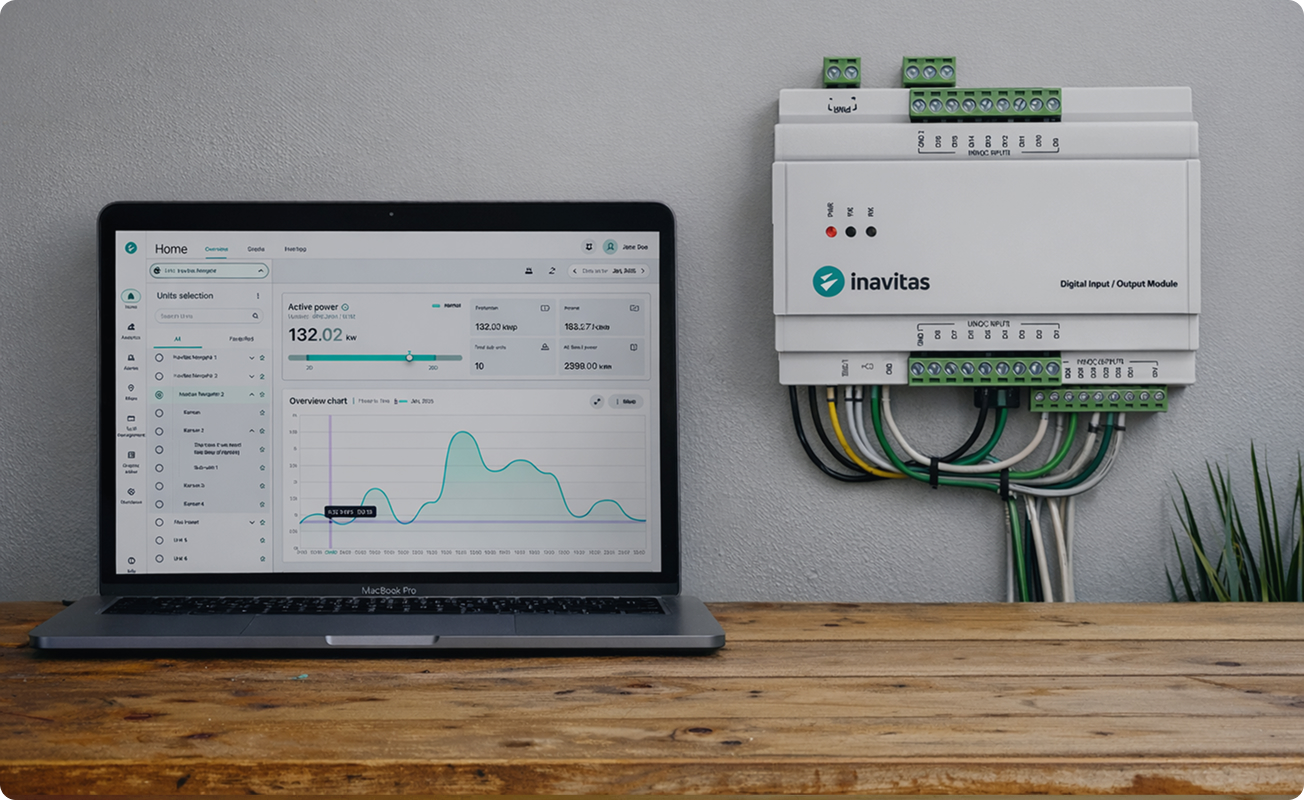
From field IoT devices to Presify’s analytics and AI algorithms, Inavitas connects data across assets, sites, and portfolios so operators see issues early and act in time.
Proven technology and R&D depth
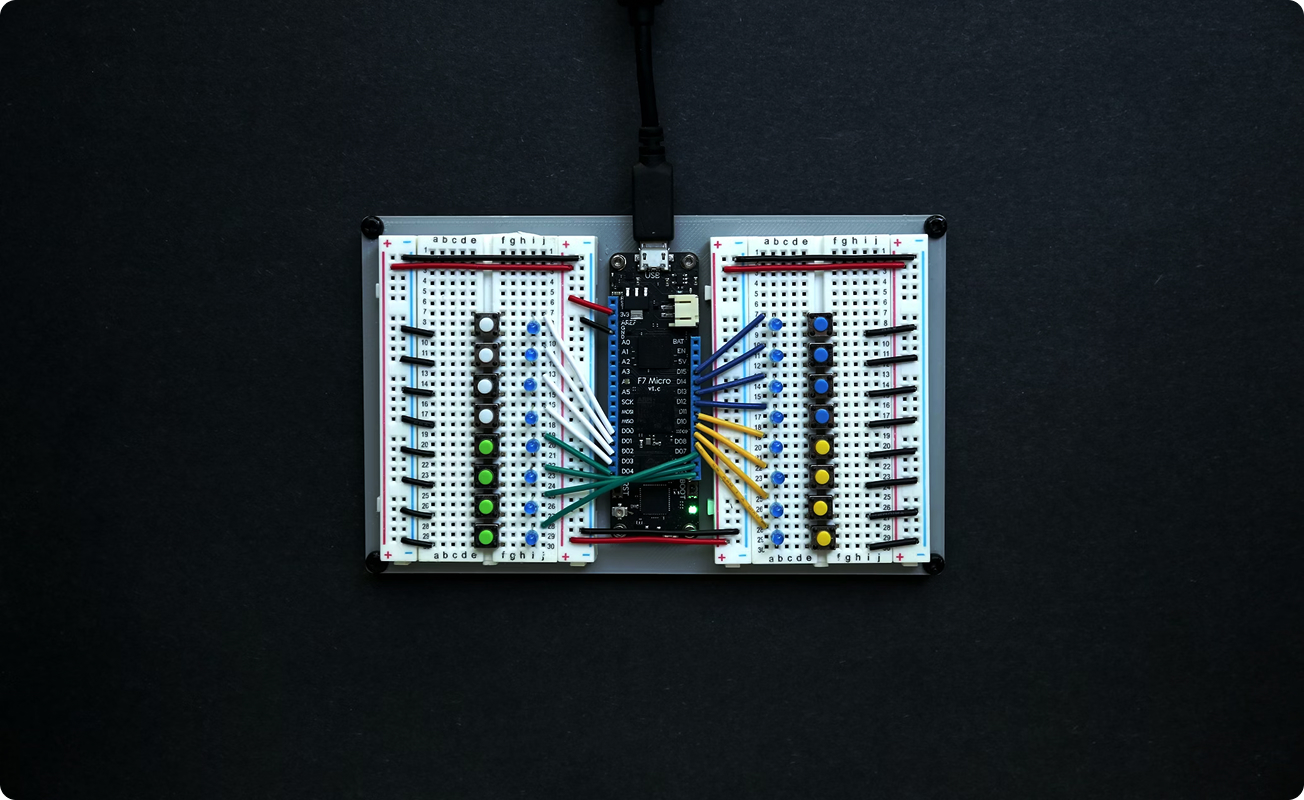
50+ R&D projects, 100+ engineers, and a growing portfolio of patents. Our teams turn grid and plant expertise into products that are battle-tested in the field.

Certified quality and global standards
CMMI-assessed development, grid-code–compliant controllers, and secure architectures give utilities, IPPs, and businesses confidence to scale with lower risk.

Newsroom
Company updates, releases, and announcements, all in one place.


